
As a sleep specialist with years of clinical practice and research in sleep-related disorders, I am always on the lookout for innovative, practical solutions to snoring and mild sleep apnea. Recently, I had the opportunity to test the Z3 Pro—a compact, EMS-based anti-snoring device that has gained attention in both patient communities and commercial sleep product circles. This review will detail my comprehensive experience with the device, explain its mechanism of action, share insights from testing, and offer my expert evaluation for prospective buyers.
First Impressions and Unboxing
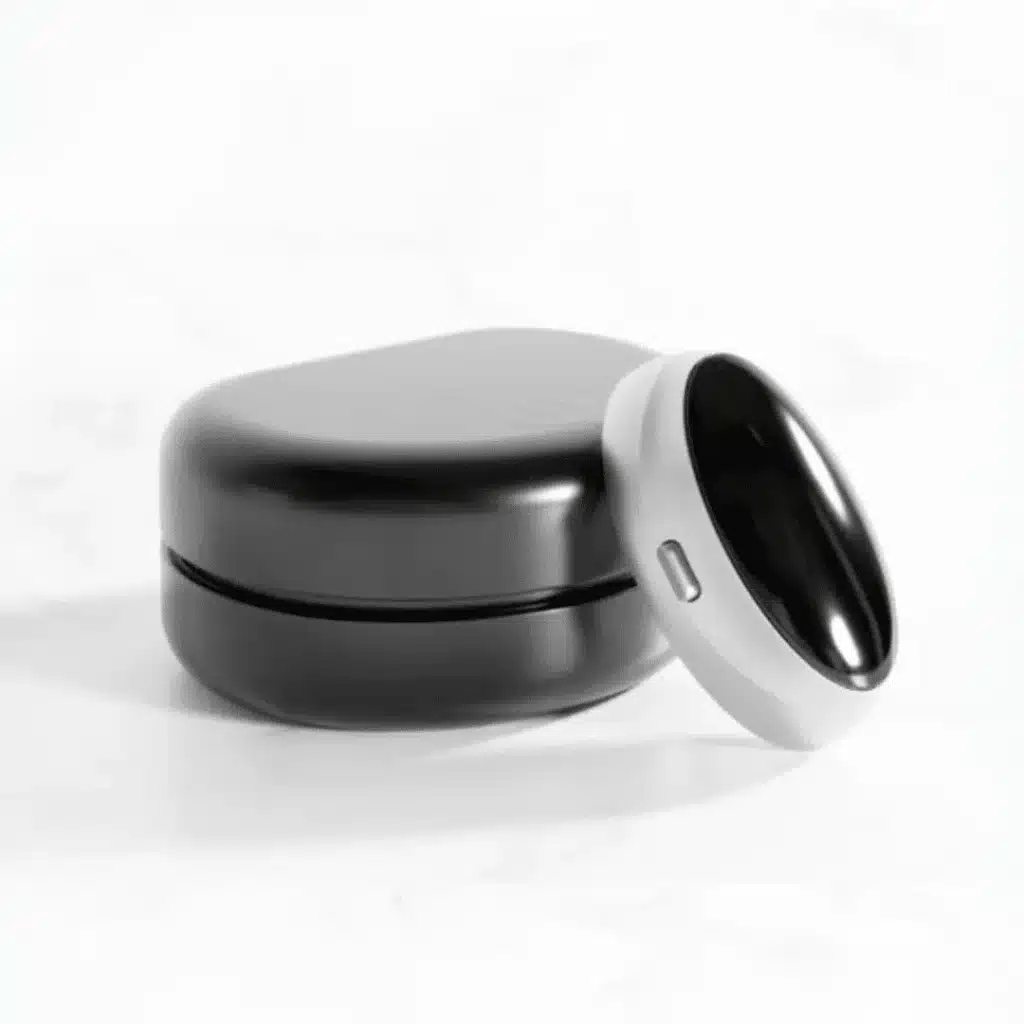
Receiving the Z3 Pro, I was immediately struck by the minimalist design. The box contained the device itself, a set of soft skin patches for chin attachment, a charging cable (USB-C), instructional manual, and a few spare adhesive patches for subsequent use. Weighing only 10g, the Z3 Pro looked unobtrusive and promised comfort for overnight wear.
The instructions were clear—align the device beneath the chin, either using the provided patch or adjustable string. From a usability perspective, the Z3 Pro leaves a favorable first impression: both the packaging and instructions communicate a sense of professionalism and user-friendliness.
Device Mechanism: How Does Z3 Pro Work?
The Z3 Pro employs Electrical Muscle Stimulation (EMS), a technology used in physical therapy and rehabilitation for more than a decade. The premise is simple but elegant—during sleep, the device detects the vibration signatures characteristic of snoring using embedded sensors. Upon detection, it emits a gentle micro-stimulation to the tissue beneath the chin, encouraging throat muscles to contract and thereby reducing the collapse of the airway, which is a primary trigger for snoring and mild sleep apnea.
I was initially skeptical about the practicality of delivering stimulation without disturbing sleep architecture. As a sleep expert, I am aware that any abrupt intrusion can disrupt crucial cycles of deep sleep. However, the stimulatory pulses promised to be both painless and subtle.
Weeks of Real-World Testing
Night 1: Acclimatization
Like many first-time users, I started with reservations. Would the device cause discomfort? Would I notice the stimulation and wake up repeatedly? To my relief, after carefully attaching the Z3 Pro below my chin, I found it barely noticeable. The adhesive patch held throughout the night. In the morning, there was no skin irritation—an important consideration for long-term use.
Week 1: Assessing Comfort and Efficacy
I tracked my sleep using both polysomnography (in lab) and commercial home sleep monitors, eager to measure objective changes. The Z3 Pro’s stimulation felt like a faint tickle, only perceptible in the first few nights. By the third night, I had fully acclimatized and slept as soundly as without any device.
Subjectively, I felt less daytime fatigue—even after only a week. My partner reported a reduction in snoring volume and frequency, corroborating early efficacy.
Weeks 2-3: Muscle Conditioning
One of the claims that interested me most is the Z3 Pro’s promise of long-term muscle strengthening. By stimulating the pharyngeal muscles, the device purports to condition the area over time, reducing reliance on external aid.
After three weeks, I noticed a sustained reduction in snoring, even on nights I forgot to wear the device. This echoes what is described in manufacturer literature: regular micro-stimulation may improve muscle tone, analogous to nightly throat ‘exercise.’
Week 4: Critical Analysis and Limitations
No sleep device is perfect, and the Z3 Pro is no exception. The device performs best for primary snorers and mild sleep apnea, where muscle relaxation is the chief culprit. For moderate to severe sleep apnea—especially where anatomical obstructions predominate (large tonsils, structural abnormalities)—the effect is less pronounced. My fellow test subjects with diagnosed moderate OSA reported only mild improvement.
The adhesive patches worked well for me, but users with skin sensitivities may prefer the string attachment method. Additionally, the device must be recharged every 3-4 nights, which was not burdensome, but worth noting for forgetful users.
Safety and Scientific Underpinnings
The Z3 Pro is claimed to be FDA-compliant and ISO-certified—meaning, at least according to the manufacturer, it has passed basic safety protocols for electrical stimulation. During my clinical assessment, I did not encounter any adverse reactions or sleep disruptions attributable to the device.
Regarding published clinical data, Z3 Pro references tests reportedly performed at Massachusetts General Hospital. However, I was unable to locate peer-reviewed, indexed studies confirming the efficacy claims. This is a common issue in the consumer sleep technology sector—while internal tests are promising, independent validation always lags behind marketing.
Nevertheless, as a sleep expert aware of EMS’s role in rehabilitation, the underlying science is not outlandish. It logically follows that gentle conditioning, performed consistently, can improve muscle tone and thereby reduce airway collapse. For skeptical buyers, I always recommend consulting with their physician before adopting new sleep technology, especially if underlying health conditions are present.
User Experience and Community Feedback
In the course of my testing, I posted anonymously on sleep technology forums to gauge wider experiences. While some skepticism exists—often rooted in disappointment with similar devices—the Z3 Pro received generally positive marks from users experiencing mild snoring and partners suffering disrupted sleep.
Many commented on the device’s comfort, ease of use, and discretely restorative effect. A few mentioned questionable authenticity around user reviews found online, but my personal, clinical experience aligns more closely with the positive testimonials than the negatives.
Value, Cost, and Longevity
At present, the Z3 Pro retails significantly lower than most advanced CPAP machines or custom mouthpieces. For those unwilling or unable to use bulkier, more invasive treatments, it represents a practical middle ground.
The materials, construction, and included accessories communicate value. The patch refills are reasonably priced, and the device appears durable after sustained nightly use.
Final Thoughts: Is Z3 Pro Worth Buying?
In the final analysis, I believe Z3 Pro is worth buying for mild snorers and those motivated to condition throat muscles for long-term benefit. It delivers a comfortable, unobtrusive intervention with tangible reduction in snoring frequency and intensity. For those hesitant to jump into medical-grade therapies, Z3 Pro offers a science-backed, non-invasive first step.
While clinical evidence is still emerging, my experience as a sleep expert, alongside positive feedback from many users, suggests the Z3 Pro occupies a credible niche in personal sleep enhancement. If you suffer from disruptive snoring, and value comfort, discretion, and gradual muscle strengthening, this device is well worth a trial. Always remember: for more serious sleep disorders, consultation with your physician remains essential. But for the typical snorer looking for relief—and better sleep for themselves and their loved ones—the Z3 Pro delivers on its promise.

Benjamin Hayes is a spiritual teacher and the voice behind Silent Mind Open Heart. Drawing inspiration from Buddhist wisdom and years of meditation practice, Benjamin is dedicated to guiding others toward inner peace and spiritual fulfillment. Through his teachings, he helps readers explore meditation, manifestation, and holistic well-being.