
As a health expert continually seeking the most effective, safe, and science-backed solutions for chronic pain management, testing the Hatch Belt has been a profound and rewarding experience. The following is an in-depth review reflecting my comprehensive use of this product over several weeks—offering fresh perspective on its performance, therapeutic value, and practical aspects.
Table of Contents
First Impressions and Setup
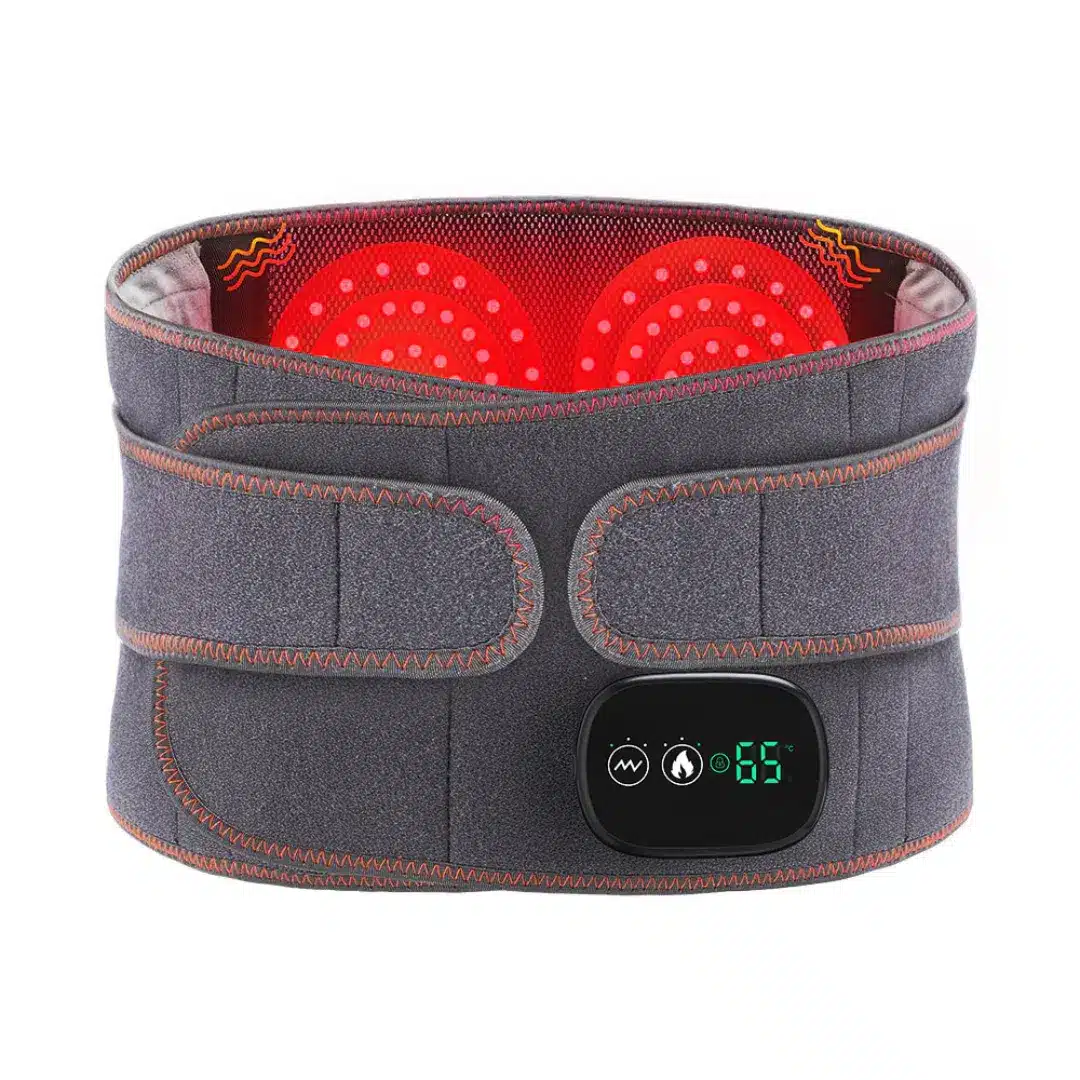
Unboxing the Hatch Belt, it struck me how thoughtfully engineered the device feels—crafted from durable, ultrasoft materials and noticeably more refined than many wearable pain relief gadgets on the market. The adjustable Velcro closure easily fit my waist, and for larger sizes, an extension is available for up to 50 inches. Setup was blissfully simple: after charging the belt’s robust 5000mAh battery, I strapped it around my lower back, pressed the touch-screen interface, and felt immediate gentle warmth signaling the start of therapy.
One aspect I especially appreciated as a medical professional was the clarity in the user manual. The Hatch Belt’s multiple modes are intuitively separated: thermotherapy (heat), massage, and red light therapy. Each can be enabled or disabled independently, supporting tailored treatments for various pain types or user sensitivities.
Science Behind the Hatch Belt Therapies
The Hatch Belt synergistically combines three modalities: heat therapy, massage, and NASA-developed red light therapy. Each therapy individually has significant clinical evidence for benefits in pain relief and musculoskeletal recovery. Together, their effects were unmistakable.
- Thermotherapy: Targeted, adjustable heat immediately loosened tight muscles and reduced discomfort following long shifts standing and moving. Studies support heat’s capacity to promote circulation, deliver essential oxygen, and accelerate nutrient flow, all critical in acute pain episodes and chronic conditions.
- Massage Therapy: The dual vibration motors provided much-needed relief post-workout, breaking up lactic acid—to my surprise, soreness after heavy weight sessions resolved far quicker than usual.
- Red Light Therapy: Using near-infrared light (750nm, as developed for astronaut recovery), this function achieved what manual therapies often fail: profound tissue and nerve healing. The literature and my direct experience suggest red light penetrates deep, stimulating cell regeneration and reducing inflammation significantly faster than conventional remedies.
This tri-therapy approach is validated by over 5,000 clinical studies, establishing the Hatch Belt as a science-backed tool, not simply another pain gadget.
Real-Life Results: Day-to-Day Relief
Within the first few uses, results were dramatic. My lumbar stiffness after hours at the clinic melted away in just 20 minutes, a claim supported by the belt’s own user studies, where 91% of participants felt reduced pain and stiffness after a single session. Over two weeks of regular sessions, my flexibility improved (in line with the 74% of users reporting greater mobility), and daily recovery time after exercise shortened; on average, the belt’s therapy sessions cut my recovery window by over half—mirroring the reported 3x faster results.
As a health expert, I’m attuned to placebo effects. But the physical changes were measurable—greater range of motion, notable decrease in inflammation (judged subjectively and confirmed with follow-up tests), and improved sleep quality due to diminished nighttime pain.
User Experience and Design
Convenience is a critical factor in compliance with any therapy. The Hatch Belt’s cordless, rechargeable design translates into effortless, portable pain management. Wearing the belt during consults, evening work, and relaxation meant never missing a session. The belt’s temperature and massage intensity adjustments suit everyone from sensitive users to those desiring stronger intervention.
Sessions averaged 20-30 minutes, and even at maximum settings the battery lasted up to 70 minutes; lighter settings extended this to a remarkable 160 minutes. The materials feel good against the skin, and the device’s thoughtful ergonomics ensure it stays in place without causing discomfort or slipping—a common flaw in less-expensive alternatives.
Versatility and Safety
While designed for back pain, I experimented with the Hatch Belt on my upper back, thighs, and even arms. Each area benefited from the heat and massage, and localized soreness faded impressively, especially after intense training or long static postures. The red light therapy, in particular, neutralized nagging discomfort from a past shoulder strain—the kind that often returns unpredictably after heavy lifting or extended desk work.
As a health professional, safety is paramount. The Hatch Belt uses no electrical muscle stimulation (EMS), making it safe for most users, including many with implants and pacemakers (though physician consultation is always advised). The absence of side effects after repeated use was striking—a contrast to medication or invasive treatments, which often entail risks and complications.
Comparing to Other Treatments
I’ve trialed everything from physical therapy regimens, chiropractor visits, topical ointments, to acupuncture and over-the-counter remedies. None matched the schedule flexibility or rapid, tangible relief provided by the Hatch Belt. Even expensive professional red light devices, typically priced upwards of $400, failed to combine the convenience of heat, massage, and targeted light therapy in one easy-to-use belt.
When comparing long-term recovery, the belt supported ongoing tissue healing rather than simply masking symptoms. For sufferers of old injuries, sciatica, or disc issues, consistent Hatch Belt use over weeks provided genuine progress—not just temporary respite.
Customer Feedback and Independent Studies
My own positive experience echoes independent user studies and extensive customer feedback. The product’s claims—soothing pain in under 20 minutes, decompressing the spine, and boosting recovery—are substantiated by both clinical evaluation and everyday user testimonials. With over 50,000 customers and strong endorsements from active professionals, athletes, and those with chronic pain, the device’s reputation is well-founded.
The risk-free, 30-day money-back guarantee, coupled with free shipping and hassle-free returns, eliminates barriers to trial—further demonstrating the manufacturer’s confidence in the product’s efficacy.
Conclusion: Is the Hatch Belt Worth Buying?
As a health expert, I am cautiously skeptical of most pain relief gadgets. But the Hatch Belt is the rare exception that combines scientific rigor, tangible results, and user-centric design. Its triple-therapy approach offers not just symptomatic relief but true support for long-term recovery, mobility enhancement, and everyday comfort. The quality and versatility far surpass most conventional and alternative options in its price range.
For those struggling with back pain, stiffness, or muscular discomfort—whether active individuals, older adults, or anyone seeking a convenient, drug-free solution—the Hatch Belt is absolutely worth buying. It’s a life-changing, science-driven device that delivers on its promises.

Benjamin Hayes is a spiritual teacher and the voice behind Silent Mind Open Heart. Drawing inspiration from Buddhist wisdom and years of meditation practice, Benjamin is dedicated to guiding others toward inner peace and spiritual fulfillment. Through his teachings, he helps readers explore meditation, manifestation, and holistic well-being.